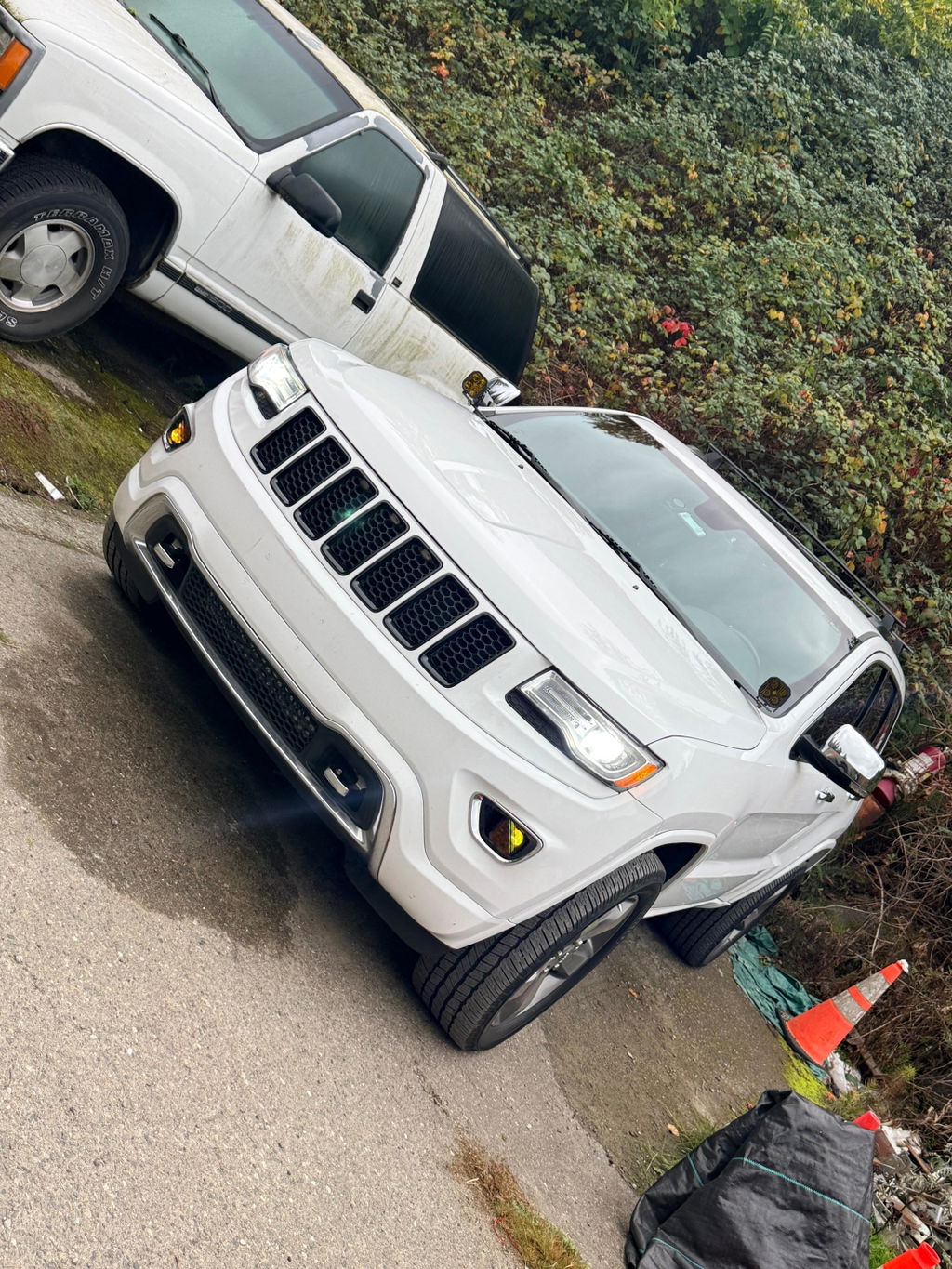
Oxygen Sensors For 1996-2005 Honda Acura Isuzu, 4pcs
Oxygen Sensors For 1996-2005 Honda Acura Isuzu, 4pcs
$56.99
$49.99
2-Year Warranty with Pay with Ease


2-Year Warranty with Pay with Ease
This 4-piece oxygen sensor set fits select 1996-2005 Honda, Acura, and Isuzu applications. Please verify your vehicle's year, make, model, engine, sensor position, and OE number before ordering.
Honda
Acura
Isuzu
Compatible OE numbers include:
234-4727, 234-4733, 234-4099, 234-4368
Please confirm the OE number and vehicle application before purchasing. OE number compatibility may vary by vehicle configuration.


A failing oxygen sensor may contribute to:
These symptoms can also be caused by other engine, exhaust, fuel, or electrical problems. A diagnostic check is recommended before replacing the sensor.
Before installation, allow the engine and exhaust system to cool completely. Follow the vehicle manufacturer's service procedures whenever available.
Step 1: Remove any heat shield or bracket that prevents access to the oxygen sensor.
Step 2: Locate the correct sensor and disconnect the electrical connector before removing the old sensor.
Step 3: Use the appropriate oxygen sensor socket or removal tool to remove the old sensor without damaging the threads or surrounding components.
Step 4: Compare the new sensor with the original. Confirm that the connector, wiring, sensor position, and overall configuration match.
Step 5: Inspect the threaded mounting port and clean away dirt or debris if necessary.
Step 6: Start the new sensor by hand to prevent cross-threading. Keep the wiring away from excessive twisting, bending, or heat.
Step 7: Tighten the sensor according to the vehicle manufacturer's recommended torque specification. Do not overtighten.
Step 8: Reinstall any heat shields or brackets and reconnect the electrical connector.
Step 9: If diagnostic trouble codes were stored, clear them as appropriate and verify that the vehicle operates normally.

Items that have been installed, altered, or contaminated may not be eligible for return.
If you suspect a sensor is defective, please complete the recommended troubleshooting process and contact customer support before submitting a warranty claim.
Warranty coverage is subject to our current warranty and return policy. Labor costs, dealer or repair shop fees, diagnostic expenses, and damage caused by incorrect installation or improper use are not covered unless otherwise required by applicable law.
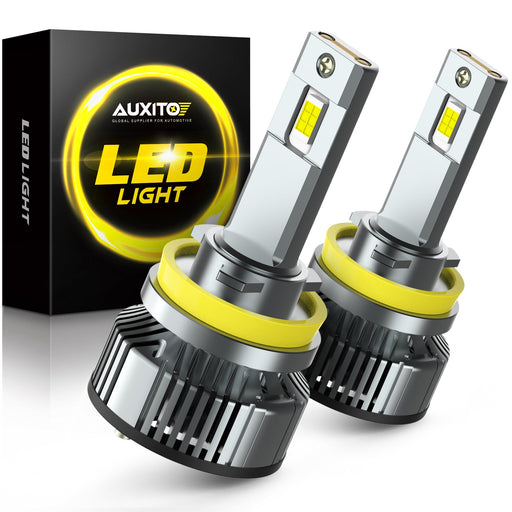

AUXITO 2023 UPGRADED H11 LED HEADLIGHT BULBS AUXITO's Brightest H11 LED headlight bulb offers a remarkable upgrade to your vehicle's lighting syst...
View full details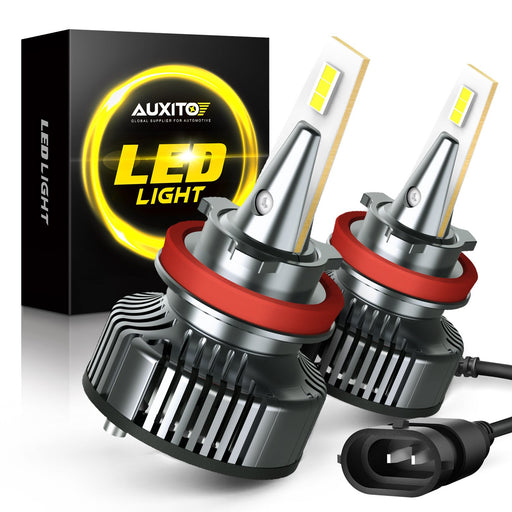
Features in Brief Mini-sized h11/H8/H9 Led Headlight Bulb Upgraded Independent Drivers, 50,000hrs Long-lasting The Brightest H11/H8/H9 led headl...
View full details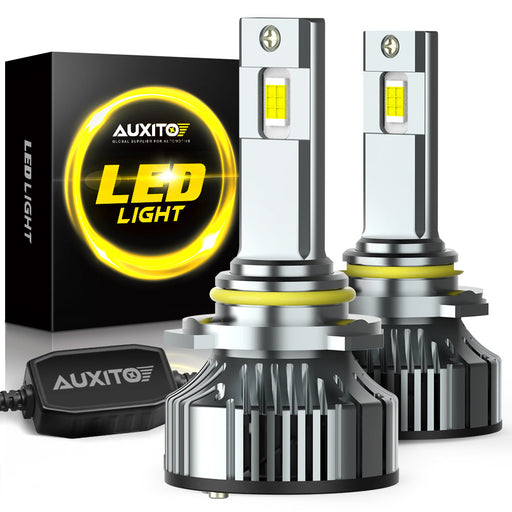
BRIGHTEST 9005 LED If the car light output is important to you, then the Y19 series of 9005 LED bulbs are a great choice. With a 700% brighter out...
View full details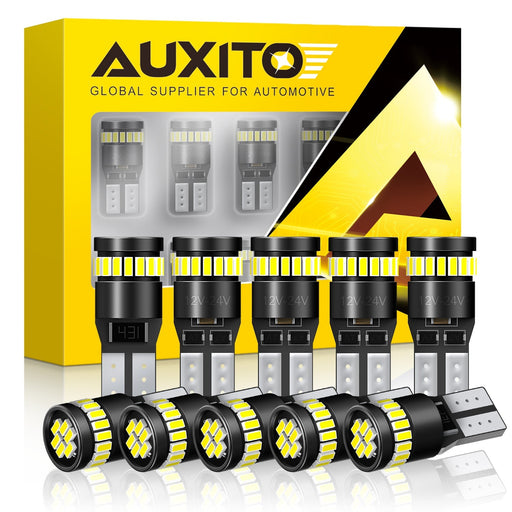
For the vehicle's Dome light, Map light, or license plate light assemblies with reflectors, you'll get a bunch of different shadows if you use 194...
View full details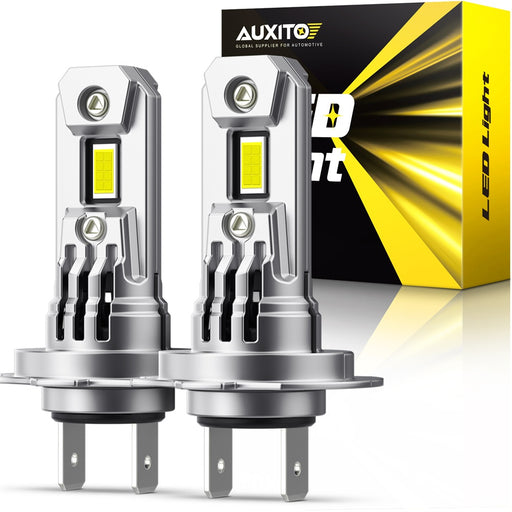
400% Brighter Than H7 Halogen With a luminous flux of up to 13,000 lumens, 50W, and 6500K color temperature, AUXITO upgraded H7 LED head...
View full detailsFollow us on social media to stay updated on the latest news and promotions.

Very impressed with the performance definitely recommended
Honda ACTY LED headlights. Good price, shipping time from time of order was good. Great quality product, DEFINITE improvement.
AUXITO M6 Series H11/H8/H16 LED Headlight Bulbs, 6500K Cool White
4KP8 Series 3157 3156 LED Bulb Amber Turn Signal Light Bulbs, Build-in Load Resistor CANBUS Error Free Anti Hyper Flash
I replaced it with my RamPromaster and there's a big difference to the plus